


"Clean label” has become one of those phrases that gets thrown around a lot. Everyone wants it, brands promise it, and shoppers look for it, but what does it actually mean? And more importantly… does it always mean something?
When you strip away the marketing, a clean label really comes down to two things:
- How simple and transparent the ingredients are, and
- How those ingredients actually support real health and real cooking
That second part is the piece most people miss.
A product can have a short ingredient list and still be made with industrial seed oils, sweeteners, stabilisers, or processing methods that don’t serve our bodies very well. And on the flip side, a food can have a few more ingredients, but each one is doing something meaningful for flavour, digestion, or nourishment.
So let’s break down what actually matters.
Simplicity Matters… But Only When It’s Honest
A simple ingredient list is comforting. It feels like something your grandmother would recognise, and that’s a good instinct.
But simplicity should never be confused with “healthy by default.” For example:
- A condiment made with cheap, highly refined oils may look “simple” on paper… but those oils can drive inflammation when eaten often.
- A sauce made with natural fermentation may have more ingredients, but fermentation can support digestion and flavour in ways a “cleaner” product can’t.
When I talk about clean labels, I’m really talking about clean food. Food made with ingredients that your body can actually use and enjoy.
🌶 Real Food Is About Flavor First
One of the reasons people get stuck in “healthy food” ruts is because healthy gets treated like it has to be bland.
When you build flavour with:
- good fats
- aromatics
- spices
- fermentation
- smart heat
…. you suddenly don’t need sugar, thickeners, or artificial flavour to make something crave-worthy.
This is why I obsess about ingredients. If the base is delicious, everything else can stay minimal and gentle.
Processing Matters More Than Most People Realize
We can’t avoid processing; cooking is processing. The question is what kind.
- Fermentation? Incredible for gut health and flavour.
- Gentle heating? Totally fine.
- Industrial refining that strips out nutrients and changes fat structure? Less helpful.
A clean label isn’t just “short.” It’s thoughtful.
Food Philosophy (A Fancy Way of Saying: What Do You Believe About Eating?)
When I think about clean labels, I think about:
- Ingredients that would still make sense to me even if I didn’t have a nutrition background
- foods that nourish, not just fill
- flavour that brings joy
- transparency that builds trust
- cooking that feels simple instead of stressful
That’s it. Everything else is noise.
Why This Matters for Something As Simple As Chili Sauce
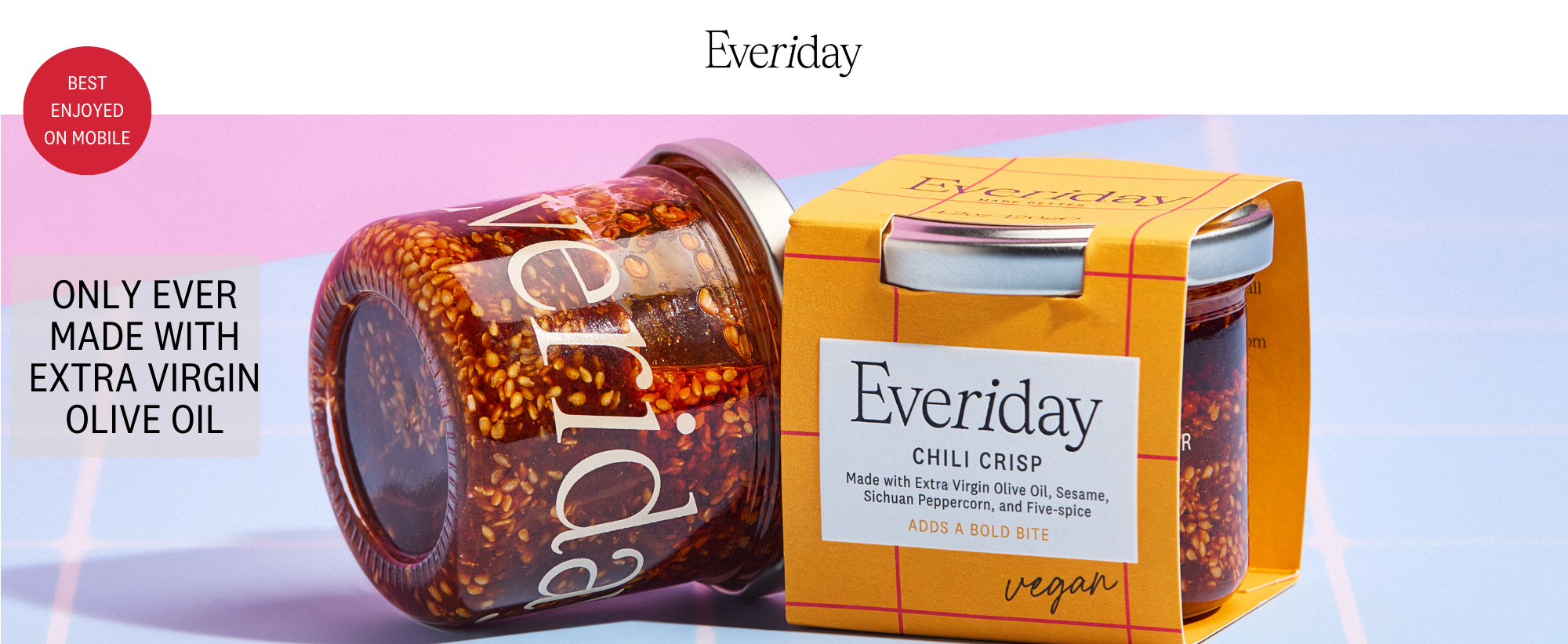
Chili sauce is one of those everyday ingredients that can quietly shape how we eat. A jar that’s built on:
- high-quality oil
- real chilies & aromatics
- real cooking, like you would at home
- …becomes a flavour booster that you can actually feel good about using often.
A jar built on cheap seed oils and fillers might taste “fine,” but it’s not something I want my own family leaning on every single day.
So when people ask me what “clean” means, this is what I tell them.
It’s not about being perfect.
It’s about being mindful.
About choosing ingredients that support us instead of quietly undermining us.
About making delicious food that naturally feels good.
By: Riyana Rupani